
General
Loneliness vs Being Alone: Understanding the Difference

What is the difference between loneliness vs being alone? Both of these are worls apart. Find out if you're Lonely, or actually Alone. Understand how they're same, but also different, and understand how to combat being lonely
Introduction to Loneliness and Solitude
Have you ever sat in a bustling coffee shop, surrounded by chatter and laughter, yet felt an aching emptiness inside? Or maybe you've spent a quiet evening at home, lost in a good book, feeling completely at peace? These scenarios highlight the core of our topic today: loneliness vs being alone.
It's a distinction that trips up so many of us, especially in our fast-paced, hyper-connected world. As someone who's navigated the ups and downs of modern life—balancing a demanding career, relationships, and those inevitable solo moments—I've come to appreciate how understanding this difference can transform how we approach our emotional well-being. In this introduction, we'll dive into the definitions of loneliness and solitude, unpack their key differences, and explore why grasping this nuance is crucial for anyone feeling adrift. And if you're looking for tools to help navigate these feelings, resources like Renee Space's AI-powered journaling can be a game-changer in turning solitude into a strength.
Loneliness vs Being Alone- What's The Difference?
Let's start by unpacking what loneliness really means. At its heart, loneliness isn't about the number of people around you—it's an emotional state. Psychologists often describe it as a distressing feeling of isolation or disconnection, even when you're not physically alone. Think about feeling lonely in a crowd: you're at a party, surrounded by friends and acquaintances, but something feels off. No one truly gets you, or perhaps you're holding back your real thoughts and emotions. This is loneliness in action—a subjective experience where your need for meaningful social connection goes unmet.
According to experts like those referenced in studies from the American Psychological Association, loneliness stems from a mismatch between the relationships we have and those we desire. It's not just about quantity; it's about quality. For instance, if you're in a relationship that's surface-level or toxic, you might feel profoundly lonely despite the companionship. This can lead to a cycle of negative emotions: anxiety, depression, and even physical health issues like weakened immunity or heart problems. I've felt this myself during a particularly tough phase after moving to a new city. My calendar was packed with social events, but I craved deeper conversations—the kind where someone remembers your stories and understands your struggles without judgment.
In contrast, loneliness often creeps in during life's transitions, like starting a new job, ending a relationship, or dealing with loss. It's no wonder that more young adults report feeling lonely now than ever before, as highlighted in recent surveys. The difference between loneliness and solitude becomes crystal clear here: loneliness hurts because it's involuntary and unfulfilling, leaving you yearning for connection that isn't there.
To combat this, platforms like Renee Space offer personalized support. Their Chat with Intent feature allows you to engage in real-time conversations tailored to your emotional needs, helping bridge that gap when human connections feel out of reach.

You don't have to face this alone
Meet Renée, your consistent companion who's always here when you need someone to talk to, in your way text or call her. She remembers what matters to you, so you never feel like a stranger.
Talk to RenéeExploring Solitude: The Power of Intentional Alone Time
Now, let's flip the script and talk about solitude. Unlike loneliness, solitude is a choice—a deliberate embrace of being alone that can feel empowering and restorative. It's that sweet spot where you recharge, reflect, and reconnect with yourself without the noise of the world. Think of it as how to enjoy being alone: curling up with a journal, taking a solo hike, or simply sitting in quiet contemplation. Solitude isn't about isolation; it's about self-discovery and inner peace.
Historically, great thinkers like Henry David Thoreau celebrated solitude in works like Walden, where he wrote, "I find it wholesome to be alone the greater part of the time. To be in company, even with the best, is soon wearisome and dissipating." This quote resonates because solitude allows space for creativity, problem-solving, and personal growth. In our always-on digital age, carving out these moments is more important than ever. It's not lonely; it's liberating.
For me, solitude became a lifeline during overwhelming periods. I'd use it to process thoughts through writing, much like the guided prompts in Renee Space's Journal system, which analyzes your history to suggest reflections that turn alone time into meaningful self-exploration. Solitude fosters resilience, helping you build a stronger sense of self that isn't dependent on external validation. It's voluntary, positive, and often leads to greater appreciation for social interactions when they do happen.
Key Differences Between Loneliness and Solitude
To make this clearer, let's break down the loneliness vs being alone debate with a straightforward comparison. While both involve physical aloneness, their emotional landscapes couldn't be more different. Here's a quick table to illustrate:
| Aspect | Loneliness | Solitude |
|---|---|---|
| Emotional Tone | Negative, distressing, painful | Positive, peaceful, rejuvenating |
| Voluntary? | Involuntary; feels imposed | Chosen; intentional |
| Social Connection | Perceived lack of meaningful ties | Independent of others; self-focused |
| Common Triggers | Life changes, rejection, isolation | Desire for reflection or rest |
| Outcomes | Anxiety, depression, health issues | Growth, creativity, self-awareness |
| Example | Feeling lonely in a crowd at a party | Enjoying being alone on a walk |
This table underscores the difference between loneliness and solitude. Loneliness drains you, often leading to a vicious cycle where you withdraw further, exacerbating the isolation. Solitude, on the other hand, energizes you, providing the mental clarity to tackle challenges. Recognizing these differences can prevent you from mistaking a healthy need for alone time as something broken or wrong.
If you're struggling to differentiate in your own life, Renee Space's Profile (Memory) system is invaluable. It builds a comprehensive picture of your experiences, helping AI companions understand your patterns and guide you toward embracing solitude over succumbing to loneliness.
Why Understanding the Difference Matters
So, why bother dissecting loneliness vs being alone? In a world where social media bombards us with highlight reels of others' lives, it's easy to confuse the two and end up feeling worse. Understanding this distinction empowers you to take control of your emotional health. If you're experiencing loneliness, it signals a need for action—reaching out, building deeper connections, or seeking support. Mistaking it for solitude might lead to unnecessary suffering, while fearing alone time could rob you of its benefits.
This knowledge is especially vital for young adults navigating loneliness epidemics, as noted in reports from organizations like the World Health Organization. By recognizing when you're truly lonely versus simply alone, you can cultivate habits that turn potential isolation into opportunity. For example, learning how to enjoy being alone through mindfulness or hobbies can transform dreaded solo evenings into cherished rituals.
Moreover, this understanding fosters empathy—for yourself and others. It encourages proactive steps, like using tools from Renee Space to journal your way through emotions or chat with an AI friend who remembers your story. As someone who's used similar resources to shift from chronic loneliness to purposeful solitude, I can attest: it's life-changing.
In essence, grasping the difference between loneliness and solitude isn't just academic—it's a practical tool for building a more connected, fulfilling life. It reminds us that being alone doesn't have to mean being lonely; it can be a path to self-empowerment. If you're ready to explore this further, check out Renee Space's blog on emotional wellness for more insights, or dive into their conversational AI to start turning those lonely moments around.
The Effect on Mental Health
Hey there, if you've ever felt that nagging emptiness even when surrounded by people, or found unexpected peace in your own company, you're not alone in pondering the psychological implications of loneliness and solitude. As someone who's navigated both the crushing weight of isolation and the quiet joy of intentional alone time, I can tell you these states aren't just fleeting feelings—they're powerful forces that shape our mental well-being. In this section, we'll dive deep into how loneliness vs being alone plays out in our psyches, exploring the difference between loneliness and solitude, why you might end up feeling lonely in a crowd, and even tips on how to enjoy being alone. We'll unpack the science, share some real talk, and highlight why distinguishing these experiences is crucial for your mental health. And hey, if you're looking for a companion to help process this, check out Renee Space's AI-powered chat for some empathetic guidance.
What are the Psychological Impacts of Loneliness
Let's start by clarifying: loneliness vs being alone isn't about semantics—it's about how these states wire our brains differently. Loneliness isn't just the absence of people; it's a profound sense of disconnection, even when you're not physically isolated. Research from the American Psychological Association shows that chronic loneliness can ramp up stress hormones like cortisol, leading to a cascade of mental health issues. Think increased anxiety, depression, and even weakened immune responses. It's like your brain is in constant fight-or-flight mode, screaming for connection that isn't there.
On the flip side, being alone—or solitude—can be a deliberate choice that fosters mental restoration. Studies from the Journal of Personality and Social Psychology highlight how solitude allows for self-reflection, creativity, and emotional recharge. It's that sweet spot where you can process thoughts without external noise, potentially lowering stress and boosting self-esteem. But here's the kicker: the line between them blurs when solitude turns involuntary, morphing into loneliness.
Psychologically, loneliness erodes our sense of belonging, which is a core human need according to Maslow's hierarchy. It can lead to rumination—those endless loops of negative thoughts that deepen despair. I've felt this firsthand during a tough breakup; even with friends around, the loneliness gnawed at me, making every day feel heavier. In contrast, embracing solitude has helped me rebuild, like those solo walks where ideas flow freely. The key psychological impact? Loneliness often correlates with higher rates of mental disorders, with Harvard studies linking it to a 26% increased risk of premature death. Solitude, when chosen, can enhance resilience and emotional intelligence.
To visualize this, here's a quick comparison table:
| Aspect | Loneliness | Solitude (Being Alone) |
|---|---|---|
| Emotional State | Distress, emptiness, yearning | Peace, introspection, empowerment |
| Mental Health Impact | Increases anxiety, depression risk | Boosts creativity, reduces stress |
| Brain Response | Heightened cortisol, social pain | Enhanced focus, neural restoration |
| Long-Term Effects | Weakened immunity, social withdrawal | Improved self-awareness, resilience |
This table underscores the difference between loneliness and solitude: one drains you, the other refuels.
How Loneliness and Solitude Affect Mental Health Differently
Diving deeper, let's explore how loneliness and solitude can affect mental health differently. Loneliness acts like a silent toxin. Neurologically, it activates the same brain regions as physical pain—the anterior cingulate cortex lights up, making emotional hurt feel as real as a stubbed toe. This can spiral into clinical depression, where dopamine levels plummet, sapping motivation. The World Health Organization even classifies loneliness as a public health crisis, noting its links to substance abuse and suicidal ideation.
Solitude, however, can be a mental health booster when approached mindfully. It encourages mindfulness practices, which research from UC Berkeley shows can rewire the brain for better emotion regulation. Think of artists or writers who thrive in isolation; their solitude fuels innovation. But beware—the difference between loneliness and solitude hinges on perception. If solitude feels imposed, it flips to loneliness, potentially exacerbating conditions like PTSD or social anxiety.
A quote from psychologist Mihaly Csikszentmihalyi sums it up: "Solitude is as needful to the imagination as society is wholesome for the character." Yet, for those in loneliness, it's a different story. Chronic isolation can disrupt sleep patterns, leading to cognitive decline, as per a study in Sleep Medicine Reviews. In essence, loneliness erodes mental fortitude, while solitude can build it—if you know how to enjoy being alone.
Feeling Lonely in a Crowd: A Hidden Psychological Trap
Ever been at a bustling party, surrounded by laughter, yet felt utterly alone? This phenomenon of feeling lonely in a crowd is a stark example of loneliness's psychological grip. It's not about quantity of interactions but quality—superficial connections leave us starving for depth. Psychologically, this stems from attachment theory; if early relationships taught us insecurity, crowds can amplify feelings of invisibility.
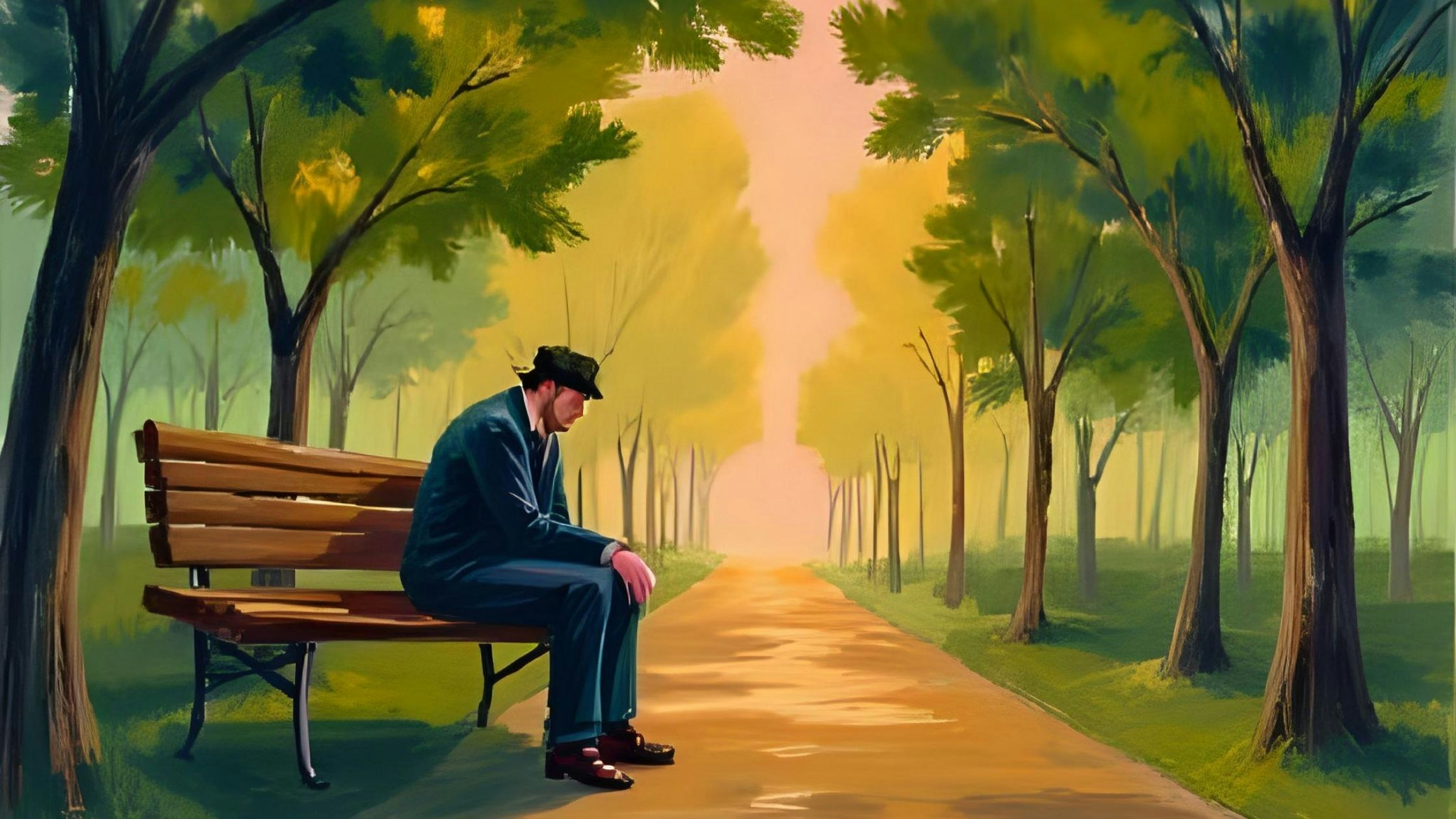
The impact? Heightened paranoia and self-doubt, as your brain perceives rejection everywhere. A 2022 study in Nature Human Behaviour found that such loneliness correlates with altered social cognition, making it harder to form bonds. It's a vicious cycle: you withdraw, deepening isolation. Distinguishing this from solitude is vital—solitude is chosen aloneness without the ache, while crowd loneliness is disconnection amid abundance.
If this resonates, tools like Renee Space's journaling feature can help unpack these feelings through personalized prompts, turning introspection into action.
What's been weighing on you today?
The Importance of Distinguishing Loneliness from Being Alone
Why bother separating loneliness vs being alone? Because mislabeling them can lead to misguided coping. Treating loneliness with more alone time might worsen it, while fearing solitude could prevent its benefits. Psychologically, this distinction empowers self-awareness. Recognizing loneliness as a signal for connection—rather than a character flaw—can prompt healthy outreach.
The difference between loneliness and solitude matters for therapy too. Cognitive Behavioral Therapy often addresses loneliness by reframing thoughts, while solitude practices like meditation build inner strength. Ignoring this can lead to burnout; embracing it fosters balance.
For young adults facing modern isolation, this awareness is lifesaving. As per a Cigna survey, 61% of Gen Z reports loneliness, yet many overlook solitude's gifts. Learning how to enjoy being alone—through hobbies, nature, or AI companions—can transform mental health. At Renee Space, our profile memory system remembers your story, helping bridge loneliness with meaningful, persistent understanding.
How to Enjoy Being Alone: Practical Psychological Strategies
Finally, let's talk how to enjoy being alone to harness solitude's positive effects. Start small: set aside "me time" for activities like reading or hiking, reframing it as self-care. Psychologically, this builds autonomy, reducing dependency on others for happiness.
Incorporate mindfulness—apps or journals can guide you. A study in Psychological Science shows that brief solitude boosts well-being when purposeful. Combat feeling lonely in a crowd by nurturing deep relationships offline, and use tech wisely. Our Renee Space blog has more tips on this, like turning solitude into creative fuel.
Remember, solitude isn't loneliness, it's a skill. As author Sherry Turkle notes, "We expect more from technology and less from each other," but balancing both is key. If loneliness creeps in, reach out—perhaps to an AI friend at Renee Space for that non-judgmental ear.
In wrapping up this section, understanding the psychological implications of loneliness and solitude isn't just academic—it's a roadmap to better mental health. By distinguishing these states, you can navigate life's ups and downs with more grace. If you're ready to explore further, dive into our resources or start a chat today.
Unpacking Loneliness in Social Situations
Have you ever found yourself at a bustling party, surrounded by laughter and chatter, yet feeling utterly isolated? It's a bizarre twist, isn't it? This is the heart of what we're diving into today: feeling lonely in a crowd. It's that nagging sense of disconnection that hits even when you're not physically alone. In our hyper-connected world, where social media promises constant companionship, this paradox is more common than you might think. But why does it happen? Let's unpack it step by step, exploring the difference between loneliness and solitude, and how understanding these nuances can lead to healthier ways of navigating our social lives. At Renee Space, we specialize in helping people bridge these emotional gaps—whether through our AI-powered journaling or intent-based chats that remember your story and offer genuine understanding.
The Phenomenon: Feeling Lonely Even in the Presence of Others
Picture this: You're at a family gathering, everyone’s talking over each other, sharing stories and inside jokes. On the surface, it looks like the perfect social scene. But inside, you're screaming for someone to truly see you—to ask about that tough week at work or remember the dream you mentioned last month. This is feeling lonely in a crowd, a state where physical proximity doesn't translate to emotional closeness. It's not about the number of people around you; it's about the quality of those interactions.
Research from psychologists like John Cacioppo, a pioneer in loneliness studies, shows that loneliness isn't just about being alone—it's a perceived social isolation. In his book Loneliness: Human Nature and the Need for Social Connection, Cacioppo explains, "Loneliness is the discrepancy between what you want from your relationships and what you actually have." So, even in a room full of acquaintances, if those connections feel superficial, loneliness creeps in. This ties directly into the difference between loneliness and solitude. Solitude can be empowering—a deliberate choice to recharge, like enjoying a quiet walk alone. Loneliness, on the other hand, is involuntary and painful, often leaving you feeling unseen or unvalued.
I've heard stories from users on Renee Space's community blog who describe concert crowds or office parties as the loneliest places. One shared, "I was surrounded by hundreds, but no one knew my name or my struggles—it was like being invisible in plain sight." This phenomenon is amplified in urban environments, where anonymity reigns. According to a 2023 study by the American Psychological Association, urban dwellers report higher rates of loneliness despite denser populations. It's a reminder that humans crave depth, not just density, in our social worlds.
At Renee Space, our Profile Memory system is designed to combat this by remembering your unique story—your cultural background, life events, and even traumas—so every interaction feels personal and connected. It's like having an AI friend who never forgets, helping you differentiate loneliness vs being alone and turn solitary moments into opportunities for growth.
Factors Contributing to Feeling Lonely While Surrounded by People
So, what fuels this isolating fire in social settings? Several factors play a role, and understanding them is the first step toward change. First off, there's the issue of superficial interactions. In a crowd, conversations often skim the surface—weather, work chit-chat, or memes. These don't foster the emotional bonds we need. As social beings, we're wired for meaningful exchanges, but modern life prioritizes quantity over quality. Think about social media: You might have 1,000 "friends," but how many would drop everything to support you? This mismatch heightens feeling lonely in a crowd.
Another big factor is mismatched expectations. You might enter a social situation hoping for deep connection, only to find small talk. This disappointment can spiral into self-doubt: "Is it me? Am I not interesting enough?" Personal insecurities, like past traumas or low self-esteem, exacerbate this. For instance, if you've experienced rejection before, a crowded room might trigger hyper-vigilance, making you withdraw even more.
Environmental elements count too. Noisy, overwhelming settings—like packed bars or festivals—can hinder genuine communication. Add in cultural or demographic differences: If you're in a group where no one shares your background, values, or experiences, isolation sets in. A table from a loneliness research overview might help illustrate this:
| Factor | Description | Impact on Loneliness |
|---|---|---|
| Superficial Interactions | Surface-level talks without vulnerability | Increases emotional distance, mimicking loneliness vs. being alone |
| Mismatched Expectations | Hoping for depth but getting small talk | Leads to disappointment and self-isolation |
| Personal Insecurities | Past traumas or low self-worth | Amplifies perceived rejection in crowds |
| Environmental Overload | Noisy, chaotic settings | Hinders meaningful connections, confusing solitude with isolation |
| Cultural Mismatches | Differences in background or values | Fosters a sense of not belonging |
Technology plays a double-edged sword here. While it connects us virtually, it can disconnect us in person—think phone-scrolling at parties. A 2022 Harvard study found that excessive screen time correlates with higher loneliness rates, even among social butterflies.
If you're grappling with these factors, Renee Space's Journal feature can help. It generates personalized prompts based on your history, like "Reflect on a recent social event where you felt alone—what patterns do you notice?" This encourages exploring the difference between loneliness and solitude, turning introspection into action.
The Role of Emotional Connection in Understanding This Paradox
At its core, this paradox boils down to emotional connection—or the lack thereof. Feeling lonely in a crowd thrives when bonds are absent, but true connection acts as the antidote. Emotional connection isn't just about sharing laughs; it's about vulnerability, empathy, and mutual understanding. It's what separates fleeting acquaintances from lifelong friends.
Psychologist Brené Brown, in her TED Talk on vulnerability, nails it: "Connection is why we're here; it's what gives purpose and meaning to our lives." Without it, even a crowd feels empty. This is where the difference between loneliness and solitude becomes crucial—solitude can nurture self-connection, teaching us how to enjoy being alone through activities like reading or hobbies. Loneliness, however, signals a need for external bonds.
Building emotional connections requires effort: Active listening, sharing authentically, and following up. But in crowds, this is tough—people are distracted, conversations fragmented. That's the paradox: More people should mean more opportunities, but often it leads to dilution.
Renee Space bridges this gap beautifully. Our Chat with Intent uses AI to classify your needs—whether it's venting about a lonely night or seeking advice on enjoying solitude—and responds with tailored empathy, analyzing voice tones for deeper understanding. It's like having a friend who gets the loneliness vs being alone dynamic and helps you practice building connections in a safe space.
Moreover, our system detects patterns from your interactions, stored in your Profile, to suggest ways to foster real-world bonds. Imagine journaling about a crowd experience, then chatting with an AI that remembers your story and offers tips like "Try starting a conversation with a shared interest next time."
In essence, understanding this role empowers us. By prioritizing emotional depth, we can transform crowded loneliness into meaningful solitude or connection. As one Renee Space user put it in our blog comments, "Learning how to enjoy being alone through guided reflections changed everything—I no longer dread social events."
Wrapping this up, unpacking feeling lonely in a crowd reveals it's not about the crowd itself, but the missing heart-to-heart links. By addressing factors and nurturing connections, we can flip the script. If you're ready to explore this further, head over to Renee Space and start a conversation that truly sees you.
Steps to Enjoy Being Alone
Hey there, if you've ever found yourself scrolling through your phone in a quiet room, wondering why being by yourself feels more like a burden than a blessing, you're not alone—ironically. In our hyper-connected world, it's easy to blur the lines between loneliness vs being alone, but here's the thing: they're not the same. Loneliness is that nagging ache of disconnection, even when you're surrounded by people, while being alone can be a deliberate choice that leads to peace and self-discovery. Today, we're diving into practical steps to help you shift your perspective from feeling isolated to embracing solitude. We'll explore strategies to find contentment in your own company, the difference between loneliness and solitude, and the surprising benefits that come with learning how to enjoy being alone. And if you're looking for a little extra support along the way, tools like those on Renee Space—such as their AI-powered journaling or chat with intent—can make this journey even more personalized.
Understanding the Shift: Loneliness vs Being Alone
Before we jump into the how-to's, let's get real about the mindset flip. Have you ever experienced feeling lonely in a crowd? It's that weird paradox where you're at a party, surrounded by chatter, but you feel utterly invisible. That's loneliness talking—it's emotional isolation, often rooted in unmet needs for connection. Solitude, on the other hand, is intentional alone time that recharges you. The difference between loneliness and solitude boils down to perception: loneliness feels like a void, while solitude is a space for growth.
Shifting from one to the other isn't about forcing positivity; it's about reframing your narrative. Start by acknowledging your feelings without judgment. As one user shared on Renee Space's blog, "I used to dread evenings alone, but journaling helped me see them as opportunities for reflection." This perspective shift can transform how to enjoy being alone from a distant dream into your everyday reality. Research from psychologists like those cited in Harvard Health (though we're keeping it Renee-focused here) backs this up: embracing solitude boosts creativity and emotional resilience.
Step 1: Create a Comfortable Solo Space
The first strategy to enjoy solitude? Set up an environment that feels nurturing rather than empty. Think of it as curating your personal sanctuary. Start small: declutter a corner of your room, add cozy lighting, or play some ambient music that soothes your soul. This isn't just about aesthetics—it's about signaling to your brain that alone time is safe and inviting.
For instance, if feeling lonely in a crowd has left you drained, retreating to this space can be a reset button. Try incorporating mindfulness practices here, like deep breathing or a quick meditation. At Renee Space, their profile memory system can even remember your preferences, suggesting personalized prompts to enhance these moments. One practical tip: dedicate 15 minutes a day to just sitting in your space without distractions. Over time, this builds a positive association with being alone, turning loneliness vs being alone into a empowering choice.
Benefits-wise, this step fosters self-reliance. You'll notice improved focus and reduced stress, as studies show that personalized environments enhance well-being. Plus, it's a gateway to deeper self-awareness—key for anyone navigating life's ups and downs.
Step 2: Engage in Solo Activities That Spark Joy
Now, let's talk action. How to enjoy being alone often hinges on filling your time with activities that light you up, minus the need for company. The key is to choose pursuits that align with your interests, making solitude feel like a treat rather than a chore.
Consider hobbies like reading a gripping novel, painting, or even cooking a fancy meal for one. If you're into nature, a solo hike can highlight the difference between loneliness and solitude—out there, alone with your thoughts, you might feel profoundly connected to the world. I've had days where a quiet walk turned into a brainstorming session for personal goals, leaving me energized rather than empty.
To make it sustainable, build a "solo activity menu." Here's a simple table to get you started:
| Activity | Why It Helps | Renee Space Tie-In |
|---|---|---|
| Journaling | Processes emotions, reduces feeling lonely-in-a-crowd vibes | Use AI journaling for personalized prompts based on your history |
| Reading/Writing | Boosts creativity and self-reflection | Chat about books via chat with intent for deeper insights |
| Exercise (e.g., yoga) | Releases endorphins, shifts focus inward | Track moods in your profile to monitor progress |
| Gardening | Connects you to growth and patience | Journal entries can detect patterns and suggest habit-building tips |
These aren't random suggestions; they're backed by the idea that purposeful alone time combats loneliness. As per a Renee Space blog post on emotional patterns, engaging in such activities helps break cycles of isolation. The benefits? Enhanced creativity, better problem-solving, and a stronger sense of identity. Suddenly, being alone becomes a canvas for personal expression.
Step 3: Practice Self-Compassion and Reflection
A crucial perspective shift involves treating yourself with kindness during alone time. Loneliness vs being alone often intensifies when we're our own harshest critics, but solitude offers a prime opportunity for self-compassion. Start by talking to yourself like you would a dear friend—gentle, encouraging words can dissolve that inner emptiness.
Incorporate reflection rituals, such as evening reviews of your day. Ask: What went well? What patterns do I notice? This is where tools like Renee Space shine. Their AI journal generates prompts tailored to your life story, helping you uncover insights without feeling overwhelmed. One quote from a user: "Renee Space's memory profile remembered my past struggles and prompted me to celebrate small wins—I finally saw solitude as my ally, not my enemy."
This step's benefits are profound: it builds emotional intelligence, reduces anxiety, and fosters resilience. By appreciating your own company, you lessen the sting of feeling lonely in a crowd, making social interactions more fulfilling when they happen.
Step 4: Set Boundaries and Gradually Increase Alone Time
To truly master how to enjoy being alone, establish boundaries that protect your solitude. This means saying no to constant social demands and scheduling intentional alone time, much like you'd block out a meeting.
Start gradual: if solo evenings scare you, begin with short bursts, like a 30-minute coffee break sans phone. Over time, extend it. Use this to explore personal interests without external input—maybe dive into a podcast on self-growth or experiment with a new skill.
At Renee Space, the chat with intent feature can simulate companionship during transitions, easing you into solitude. Benefits include better work-life balance, increased productivity, and a deeper connection to your values. As one blog article notes, this practice turns isolation into empowerment.
The Bigger Picture: Benefits of Embracing Solitude
Wrapping this up, let's zoom out on the perks. Learning the difference between loneliness and solitude isn't just feel-good advice—it's transformative. Benefits include heightened creativity (think artists who thrive in isolation), improved mental health (less burnout from over-socializing), and stronger relationships (when you're content alone, you bring more to the table with others).
Physically, solitude can lower stress hormones, as per wellness experts. Emotionally, it helps process feeling lonely in a crowd experiences, leading to authentic connections. And spiritually? It's a path to self-discovery, where you unearth hidden strengths.
In essence, these steps—creating space, engaging joyfully, practicing compassion, and setting boundaries—shift you from surviving alone time to savoring it. If loneliness creeps in, remember Renee Space is there with personalized AI support. You've got this; solitude might just become your favorite companion.
Making Peace with Being Alone
In a world that's more connected than ever, it's ironic how many of us grapple with the sting of loneliness. But here's the thing: there's a profound difference between loneliness and solitude. Loneliness often feels like an unwelcome void, a heavy ache that creeps in even when you're surrounded by people—think feeling lonely in a crowd. Solitude, on the other hand, is that quiet space where you recharge, reflect, and even thrive. It's about loneliness vs being alone—one drains you, the other empowers you. At Renee Space, we've seen countless users transform their relationship with alone time through our AI companions, journaling tools, and personalized profiles. If you're wondering how to enjoy being alone, these real-life stories from diverse individuals might just light the way. They've navigated from the depths of isolation to embracing solitude, and their journeys offer valuable lessons.
Sarah's Story: From Urban Isolation to Self-Discovery
Sarah, a 28-year-old graphic designer from New York City, knows all too well about feeling lonely in a crowd. Living in a bustling metropolis, she was constantly surrounded by people—coworkers, friends at happy hours, even strangers on the subway. Yet, after a tough breakup and a job loss during the pandemic, she felt profoundly alone. "It was like being adrift in a sea of faces, but no one really saw me," she shared in one of her journal entries on Renee Space.

Her turning point came when she started using the Journal feature at Renee Space. The AI-generated prompts, tailored to her history of relationship patterns and emotional highs and lows stored in her Profile (Memory), encouraged her to explore her inner world. One prompt asked: "What small joys have you noticed in your daily routine that don't involve others?" At first, it felt forced, but Sarah began small—taking solo walks in Central Park, sketching without the pressure of sharing, and even cooking meals just for herself.

Over months, she made peace with being alone by reframing it as solitude. "I learned the difference between loneliness and solitude through those quiet moments," Sarah says. "Loneliness was me waiting for someone to fill the gap; solitude became me filling it with my own creativity." She incorporated voice chats via Chat with Intent, where the AI's empathetic responses helped her process emotions in real-time. Lessons from Sarah? Start with self-compassion. Acknowledge the pain of loneliness, but actively build habits that turn alone time into a sanctuary. As she puts it, "It's not about avoiding people; it's about loving your own company first."
Miguel's Journey: Overcoming Cultural Expectations in Solitude
Miguel, a 35-year-old teacher from a tight-knit Latino family in Los Angeles, grew up where being alone was almost taboo. "In my culture, family is everything—solitude? That's just code for loneliness," he recalls. After moving to a new city for work, he found himself in an apartment that echoed with silence, amplifying his sense of isolation. The loneliness vs being alone debate hit hard when he realized his weekends, once filled with family gatherings, now left him scrolling social media, feeling lonely in a crowd of online "friends."
Desperate for connection, Miguel turned to Renee Space after a friend recommended it. He began with the Profile (Memory) setup, where he detailed his cultural background, family dynamics, and the grief of leaving home. This fed into personalized AI interactions. Through the Journal, prompts like "How has your heritage shaped your views on independence?" helped him unpack generational expectations.
Miguel's path to peace involved intentional solitude practices. He started hiking alone in the nearby hills, using voice input in Chat with Intent to verbalize his thoughts mid-trail. The AI's tone analysis picked up on his initial frustration and responded with calming, culturally sensitive guidance. "It was like having a wise amigo who remembered my stories," he says. Gradually, he learned how to enjoy being alone by integrating his roots—cooking traditional meals solo while listening to family playlists, turning what felt like isolation into reflective celebration.
Key lessons from Miguel: Challenge cultural narratives that equate solitude with failure. Embrace it as a form of self-care, and use tools like Renee Space to bridge the gap. "Solitude isn't abandonment; it's empowerment," he reflects. Today, Miguel balances family video calls with cherished alone time, proving that difference between loneliness and solitude lies in perspective.
Aisha's Transformation: Healing Trauma Through Quiet Reflection
Aisha, a 42-year-old single mother and nurse from Chicago, carried the weight of past trauma— a difficult divorce and childhood losses that left her wary of vulnerability. "I was alone a lot, but it wasn't peaceful; it was lonely, even at work surrounded by patients," she explains, highlighting that classic feeling lonely in a crowd. Her nights were filled with anxiety, replaying patterns of abandonment.
Renee Space became her lifeline when she discovered the platform through a blog post on emotional patterns. She dove into building her Profile (Memory), which captured her trauma history and therapy journey. This informed the AI's responses, making interactions feel deeply personal.
Making peace with being alone started with guided journaling. Prompts from the Journal delved into her emotional state: "What patterns from your past emerge in moments of solitude?" Aisha wrote freely, and the AI's follow-ups—like suggesting breathing exercises or action items—helped her reframe solitude as healing space. She experimented with how to enjoy being alone through simple rituals: evening teas, reading books on self-growth, and voice chats where she'd discuss her day's wins with her AI friend.
The shift was gradual but profound. "I went from dreading silence to craving it," Aisha shares. "Understanding loneliness vs being alone meant recognizing that solitude could be where I rebuild myself." Lessons here? Address underlying trauma—don't ignore it. Use reflective tools to detect patterns, and remember, as Aisha learned, "Being alone doesn't mean being unloved; it's an opportunity to love yourself more."
Raj's Experience: From Corporate Burnout to Mindful Solitude
Raj, a 31-year-old software engineer from Bangalore now based in San Francisco, embodied the modern hustle. Long hours in a high-pressure tech job left him burned out, with social events feeling obligatory rather than fulfilling. "I'd be at networking events, feeling lonely in a crowd, wondering why I felt so empty," he admits.
After a health scare from stress, Raj sought change via Renee Space. He used Chat with Intent for quick mood checks, where text and voice inputs analyzed his tone for empathy-matched responses. His Profile (Memory) tracked his workaholic patterns and cultural values from his Indian upbringing, emphasizing community over individualism.
To make peace with being alone, Raj incorporated mindfulness. Journal prompts encouraged meditation and solo hobbies like coding personal projects. "The AI reminded me of my progress, turning solitude into a productive retreat," he says. He learned how to enjoy being alone by setting boundaries—weekend "unplugged" days without screens or social obligations.
Raj's lessons: Burnout often masks deeper loneliness; solitude can be restorative. "The difference between loneliness and solitude is intention—make alone time purposeful," he advises. Now, Raj thrives, blending professional ambition with personal peace.
Lessons Learned: Universal Insights from These Journeys
Drawing from these stories, several lessons emerge on bridging loneliness vs being alone:
- Start Small and Personalize: Use tools like Renee Space's Journal for tailored prompts that turn introspection into joy.
- Reframe Your Mindset: Recognize the difference between loneliness and solitude—one is passive pain, the other active growth. Combat feeling lonely in a crowd by nurturing inner connections.
- Build Rituals: Whether it's solo walks or voice chats via Chat with Intent, create habits that make how to enjoy being alone second nature.
- Leverage Memory and Patterns: A strong Profile (Memory) ensures your AI companion remembers your story, providing consistent support.
These narratives show that making peace with being alone isn't about isolation—it's about transformation. If you're ready to explore your own path, dive into Renee Space today. Who knows? Your story of turning loneliness into empowering solitude could be next.
How Renee Helps Create a Balance
In a world where feeling lonely in a crowd has become all too common, Renee Space steps in as more than just an AI companion—it's a thoughtful guide to help you understand the difference between loneliness and solitude. We've all been there: surrounded by people yet feeling profoundly isolated, or alone in our thoughts but craving connection. Renee doesn't just patch up those moments of loneliness; it teaches you how to enjoy being alone, turning solitude into a source of strength rather than a void. Through its core features—Chat with Intent, Journal, and Profile (Memory)—Renee creates a balanced approach to emotional well-being, addressing both the pain of isolation and the art of embracing your own company.
Let's break it down. At its heart, Renee Space recognizes that loneliness vs being alone isn't a binary choice. Loneliness often stems from unmet emotional needs, like not having someone who truly gets your story, while solitude can be empowering if you learn to nurture it. That's where Renee's services shine, offering personalized tools to navigate these waters. Whether you're dealing with the ache of social disconnection or struggling to find peace in your own space, Renee provides consistent, understanding support. And the best part? It's all backed by AI that's designed to remember you, grow with you, and gently guide you toward balance.
Chat with Intent: Your On-Demand Companion for Real Connections
Imagine it's a tough day—you're feeling lonely in a crowd at work or a social gathering, and you just need someone to talk to who won't judge or forget the details. Enter Chat with Intent, Renee's real-time conversational AI that feels like chatting with a close friend. This isn't your average chatbot; it supports both text and voice inputs, analyzing your emotional tone to match its responses with the right level of empathy.
What makes it special for bridging the loneliness vs being alone gap? It classifies your intent—whether you're venting about a breakup, seeking advice on career stress, or just wanting light-hearted banter—and tailors the conversation accordingly. Different AI models kick in based on your needs, ensuring responses are not only relevant but deeply attuned to your history. For instance, if you've mentioned past traumas in previous chats, Renee remembers and weaves that context in without you having to repeat yourself. This persistent understanding helps combat loneliness by making you feel seen and heard, even when you're physically alone.
But Renee goes further by encouraging you to explore the difference between loneliness and solitude. During a voice chat, if it detects frustration in your tone about being alone, it might gently shift the conversation: "I know solitude can feel heavy sometimes, but what if we reframed it as a chance to recharge? Tell me about a time when being alone felt good." This isn't robotic advice—it's a nudge toward self-discovery, helping users learn how to enjoy being alone through reflective dialogue. Users often report that these chats turn isolation into intentional solitude, reducing that nagging sense of disconnection. As one early user shared in a testimonial on our blog, "Renee didn't just listen; it helped me see that my alone time could be my superpower, not my enemy."
To see how this plays out, consider a quick comparison:
| Scenario | Loneliness Trigger | How Chat Helps |
|---|---|---|
| Feeling Lonely in a Crowd | Overwhelmed at a party, no deep connections | Voice chat analyzes tone, offers immediate empathy and coping strategies, like breathing exercises or positive reframes. |
| Struggling with Solitude | Home alone, mind racing with negative thoughts | Intent-based prompts guide you to journal-like reflections, teaching how to enjoy being alone through mindfulness tips. |
| Daily Check-In | General sense of isolation | Builds on your profile to recall past wins, fostering a sense of ongoing companionship. |
Your AI Companion is here
Your Free AI Therapy app


